Plastering in Potternewton's Villas and Terraces
Potternewton's Victorian villas, converted flats and red-brick terraces are full of original lath and plaster. We repair what can be saved, replace what cannot, and leave smooth walls and ceilings throughout.
Potternewton · LS7
Victorian villas, flats and red-brick streets
Potternewton grew in the late Victorian period, with substantial villas along Potternewton Lane and red-brick terraces filling the streets around Potternewton Park and towards Scott Hall Road. Many of the larger houses have since been split into flats, which has added stud partitions, lowered ceilings and new doorways to rooms that were once grand and open.
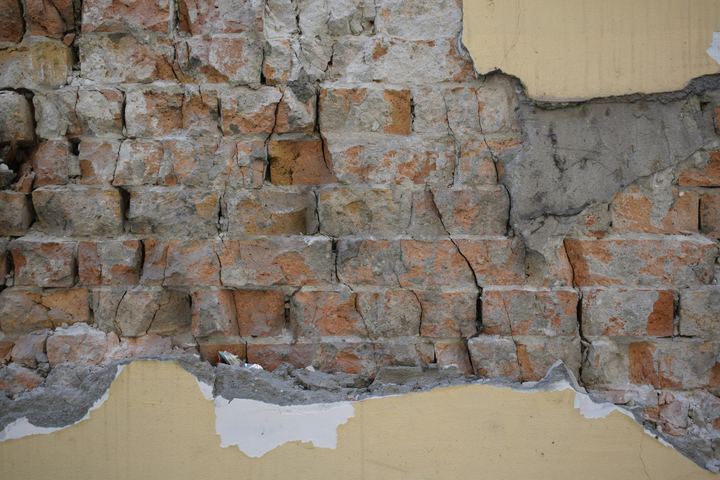
Almost all of these properties started life with lime plaster on solid brick and lath ceilings above. High ceilings were normal in the villas, and even the terraces have decent room heights. A lot of that original plaster survives, but it has been patched, cut into and painted so many times that it rarely behaves as one surface any more.
Old lath and plaster, and conversions that need tidying
Lath ceilings are the main job here. Over a century or more, the plaster loses its grip on the timber, and the result is cracking, sagging or a section dropping after vibration from above. A ceiling that is still mostly sound can be secured and skimmed. One that is loose across a wide area is better taken down and replaced with plasterboard, or overboarded where height and detail allow.
In converted flats, the old and new meet awkwardly. Studwork partitions may have been boarded quickly, and joints between new board and old plaster often crack. We cut back to sound edges, bond or bead the junction and skim across, so the line disappears. Solid walls with failed plaster can be replastered in gypsum, or lime where a damp-prone solid wall would benefit from it.
Working in Potternewton homes and flats
Converted houses usually mean shared hallways and stairs, so we protect communal areas and keep noise to sensible hours. Taking down a lath ceiling creates a lot of debris, and we sheet and seal the room, bag the waste and carry it out carefully. In terraces, narrow hallways get the same attention as the rooms themselves.
Each job starts with a free visit. We inspect the ceilings from below, test for hollow plaster on the walls and talk through options, from a repair to a full replaster. A written quote follows, clear enough that a landlord, freeholder or owner can see exactly what is included before agreeing to it.
Services
Most asked-for in Potternewton
Full replastering
When the old plaster has let go of the wall, a skim will not hold it.
See the service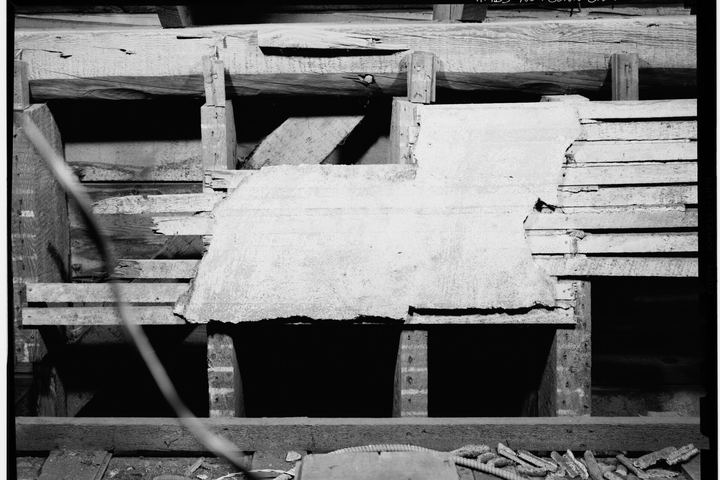
Ceiling repairs & replacement
Cracked, sagging, stained or brought down by a leak.
See the service
Patch & crack repairs
Holes left by the electrician, cracks over doorframes, knocked corners and the patch where the old boiler used to be.
See the serviceAlso in Potternewton
Everything else we do
FAQs
Plastering in Potternewton: questions
Is my Potternewton ceiling lath and plaster?
If your house was built in the Victorian era, as much of Potternewton was, the original ceilings will almost certainly be lath. Some may have been replaced since. At the visit we can usually tell by tapping and looking at how it has cracked.
Why does the wall crack where my flat's partition meets the old wall?
New stud walls and old solid walls move differently, and the joint between them is often only filled. We cut back, reinforce the junction with tape or bead and skim across, which makes the crack much less likely to return.
Can a sagging ceiling be saved?
Sometimes. If the plaster is still mostly bonded to the laths, it can be secured with fixings and skimmed. If it is loose over a wide area, a new plasterboard ceiling is the safer option and usually gives a better long-term result.
Do you work in shared houses and flats in Potternewton?
Yes, much of Potternewton's housing is now flats. We protect shared stairs and halls, keep noise to reasonable hours and clear up as we go. Quotes are itemised, which helps when costs are split between owners.