Pudsey Plasterer for Stone Terraces
Replastering, lime work and ceiling repairs for Pudsey's gritstone terraces and older houses, from Lowtown and Church Lane to the streets round Pudsey Park, plus skimming in the town's newer homes.
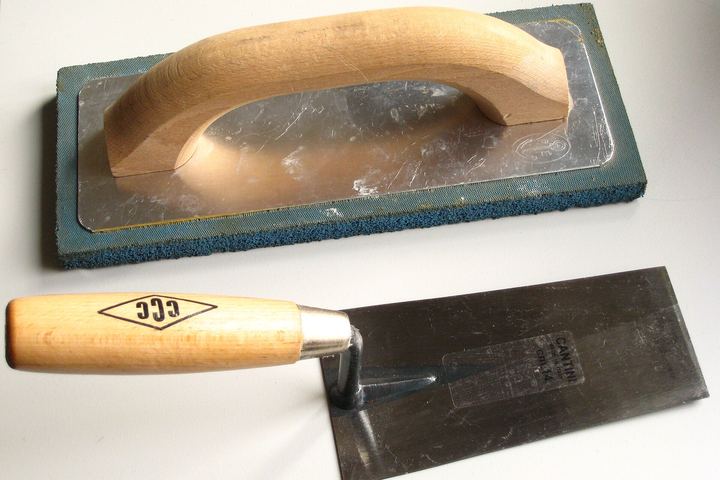
Pudsey · LS28
Gritstone terraces on Pudsey's hilltop
Pudsey is an old woollen town on a hilltop between Leeds and Bradford, and its centre is built largely in local gritstone. Terraces run along and off Lowtown and Church Lane and around Pudsey Park, many from the nineteenth century. These houses have thick solid stone walls with no cavity, plastered inside with lime and finished with lath and plaster ceilings when they were built.
Further out, Pudsey has plenty of twentieth-century housing, from inter-war semis to later estates, built in brick or block with cavity walls and gypsum plaster. So the town offers two very different jobs. Older stone houses need a plasterer who understands solid walls and breathable materials, while newer homes mostly need good skimming, ceiling work and extension plastering.
Blown plaster on solid walls and how we put it right
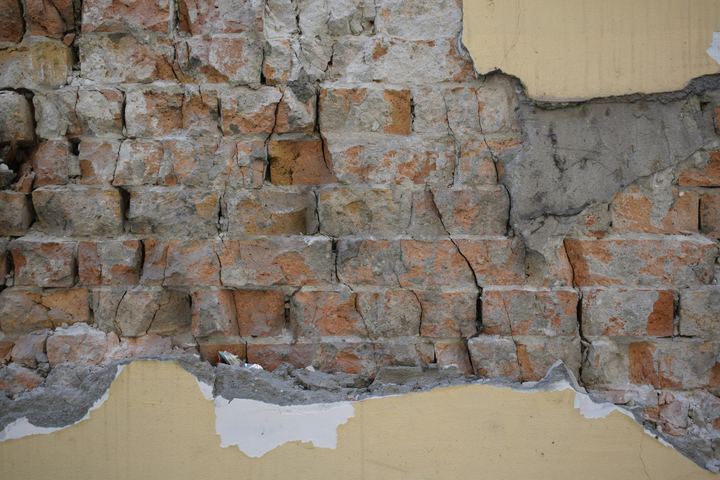
Loose, hollow plaster on solid stone walls is a common find in Pudsey. Often it is on outside walls or chimney breasts, sometimes with staining or salts on the surface. The usual causes are moisture getting in from outside, or cement-based plaster and gypsum used in past repairs that hold water against the stone. Any damp cause has to be sorted first, and we do not sell damp-proofing.
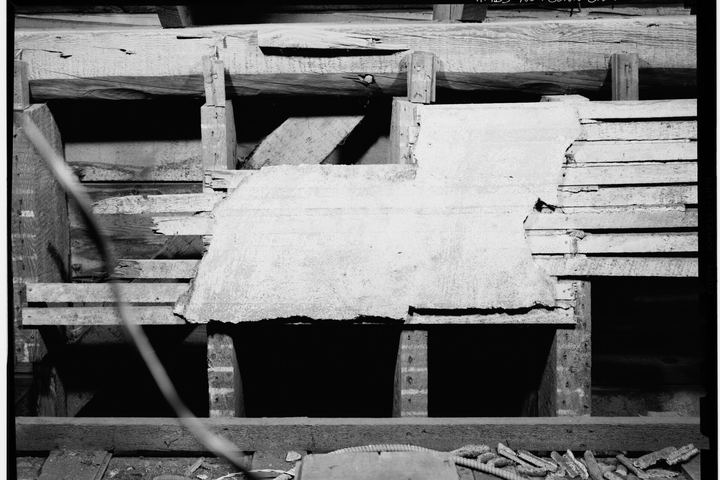
Once the wall is ready, we strip the failed plaster back to the stone and replaster. On solid walls, lime is often the better choice because it lets the wall breathe and dry out. Where a sound gypsum system is already in place on an internal wall, it can usually stay and be skimmed. Lath ceilings that are sagging are repaired, overboarded or replaced, depending on how much is still sound.
Working in Pudsey's older streets
Stone terraces on the hill often have steep steps up to the front door, small yards and narrow stairs inside. We plan how materials come in and how waste goes out before the job starts, and keep the work tidy in tight rooms. Where we are stripping old plaster, the room is sealed and the debris bagged and removed regularly so it does not build up.
Every job starts with a visit. We tap the walls to find hollow areas, look at the ceilings and ask about any damp or past repairs you know of. The written quote explains what we found and how we propose to deal with each wall, including whether lime or gypsum suits it. Lime work takes longer to dry and cure, and that is factored into the plan.
FAQs
Plastering in Pudsey: questions
Why is the plaster on my Pudsey stone house sounding hollow?
Hollow plaster has lost its grip on the wall behind. On solid stone walls this is often caused by moisture, or by dense modern plaster that traps it. We find the extent of the hollow areas at the visit and advise whether patching or full replastering is needed.
Is lime always the right choice for a stone terrace?
Not always. Lime suits many solid stone walls, particularly outside walls and chimney breasts where moisture needs to escape. Internal walls with sound gypsum may be fine as they are. We recommend lime where it genuinely benefits the wall rather than by default.
Do you plaster newer houses in Pudsey too?
Yes. Pudsey has plenty of inter-war and later housing. In those homes we skim walls, replace ceilings, plaster extensions and smooth over older textured finishes after they have been sample-tested, as well as working on the older stone properties.
Can you replaster a wall that has had damp treatment in the past?
Often, yes, but it depends on what was done. Some past treatments used dense plasters that cause their own problems on solid walls. We check the wall and its condition, make sure any current moisture issue is resolved, then advise on the most suitable plaster.