Full replastering in Leeds
When the old plaster has let go of the wall, a skim will not hold it. We strip back to the brick and start again with new backing and a smooth finish.
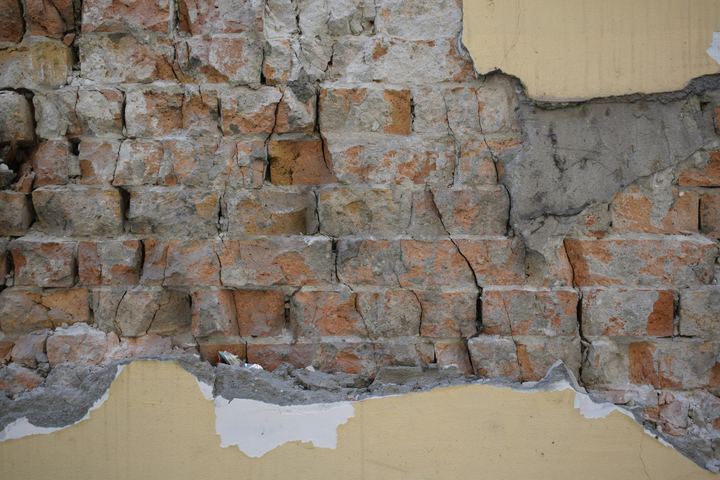
Full replastering
What the job involves
Plaster that sounds hollow when tapped, crumbles behind wallpaper or bulges away from the wall has lost its bond. Covering it only hides the problem for a while. Full replastering removes the failed material so new coats can be bonded straight to the masonry.
The old plaster is hacked off and bagged, the brickwork is brushed down and wetted or primed to control suction, and then a base coat is applied, ruled flat and keyed. Once that has firmed up, a finish coat is trowelled on top. Window reveals, corners and door openings are formed with beads so everything lines up.
A full replaster is messy work, so we plan it carefully: rooms are sealed, waste is taken away as we go, and we agree in advance with you which rooms will be out of use and for how long. If damp is the reason the plaster failed, the cause needs to be fixed first, and we will tell you if that is what we see.
On the day
Step by step
- 1
Survey
We tap and test the walls, look for the cause of the failure and agree what comes off.
- 2
Strip
Old plaster removed to sound masonry, rooms sealed, waste cleared daily.
- 3
Base coat
Background prepared, base coat applied, ruled flat and keyed.
- 4
Finish
Finish coat laid and trowelled, beads straight, edges clean.
Before you book
Good to know
Damp first
If plaster failed because of rising damp, a leaking gutter or a bridged cavity, fixing the cause comes before replastering. New plaster on a wet wall will fail again.
Old houses
Walls in many pre-1919 Leeds homes were built to breathe and may be better suited to lime. See our lime plastering page.
Areas
Full replastering across Leeds
We carry out this work throughout the city and in the towns and villages around it, including these areas.
All areasFAQs
Questions about full replastering
How do I know if my walls need replastering rather than a skim?
Tap the wall. A dull, hollow sound, plaster that crumbles to the touch or wide areas bulging away all suggest the plaster has lost its bond. We check every wall at the visit and tell you which approach it needs.
How messy is replastering?
Hacking off old plaster creates a lot of dust and debris. We seal doorways, protect floors and clear waste daily, but the room itself is a work area until the base coat is on.
How long does a replastered room take to dry?
Longer than a skim, because the base coat holds more water. It depends on thickness, the time of year and ventilation. We will give you a realistic idea for your rooms.
Can you replaster around new electrics?
Yes. Ideally the electrician first-fixes cables and back boxes before we start, then we plaster around them and they come back to second-fix.
Walls or ceilings need sorting?
We come out, look at the plaster with you and send a written quote. Free, and no obligation.