Period Plastering in Oakwood, LS8
Cornice repairs, lath and plaster ceilings and careful wall work for the Victorian and Edwardian villas of Oakwood, around Oakwood Lane, Princes Avenue and the parade by the Oakwood Clock.
Oakwood · LS8
Villas between the clock and Roundhay Park
Oakwood grew in the late Victorian and Edwardian years as a suburb for families moving out towards Roundhay Park. The streets off Oakwood Lane and Princes Avenue have substantial semi-detached and detached villas, some in stone and many in brick, alongside later inter-war houses. The shops around the Oakwood Clock still form a small centre.
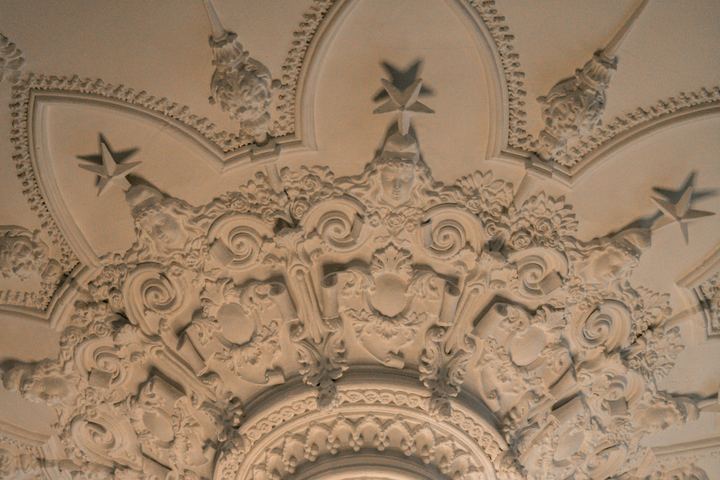
Houses of this age were plastered in lime, with lime on timber laths for the ceilings. The principal rooms were often given run cornices, ceiling roses and sometimes picture rails, and hallways might have arches or decorative brackets. Plenty of that detail has survived, though often under thick layers of paint, and it is worth keeping where it can be saved.
Saving decorative plaster rather than losing it
Cornices in Oakwood villas commonly have missing sections, cracks where the ceiling has moved, or detail clogged by repeated painting. Lengths that are damaged can be repaired by running new sections in place with a profile cut to match, or by casting replacement pieces. Paint build-up can be cleaned back so the profile reads clearly again.
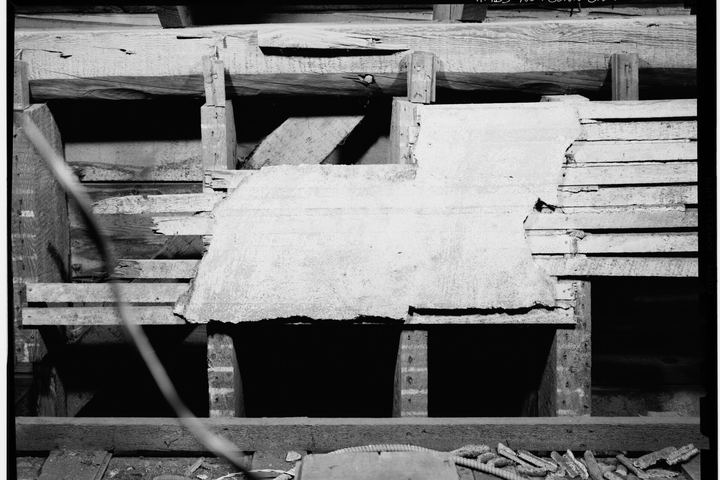
The lath and plaster ceilings above those cornices may have cracked or begun to drop. Where the laths are sound, loose plaster can be secured and the cracks repaired, which keeps the cornice and rose intact. If a ceiling has to come down, we protect the cornice first and plaster the new ceiling up to it. On solid outside walls, lime is often the right choice for repairs.
Working in an older Oakwood house
Larger villas mean high ceilings, tall stairwells and big rooms, so we plan the work in stages and use proper access equipment for the hall and landing. Decorative work cannot be rushed. Running a cornice or matching an old profile takes longer than plain skimming, and lime needs drying time between coats, which we build into the programme.
Some properties in and around Roundhay are in conservation areas, and if your house is listed, it is worth checking with the council before major work to ceilings or decorative plaster. At the visit we look closely at each room, note which details can be saved, and give you a written quote that separates repair, replacement and plain plastering.
FAQs
Plastering in Oakwood: questions
Can damaged cornice in my Oakwood villa be repaired to match?
Usually, yes. For Oakwood's Victorian and Edwardian cornices we take a profile from a sound section and either run new lengths in place or cast pieces to fit. The repair is then blended in so it is hard to see where old meets new.
Does my cracked lath and plaster ceiling have to come down?
Not necessarily. If the laths are sound and the plaster can be secured back to them, the ceiling can often be repaired and kept, along with its cornice and rose. If it is sagging badly or the laths have failed, replacement may be needed, and we protect the decorative parts while it is done.
Why does detail on my ceiling rose look blurred?
That is usually many layers of paint built up over the years. The detail can be cleaned back carefully, then repaired where pieces are missing and repainted in a breathable paint, so the shape reads properly again.
Should lime be used for wall repairs in Oakwood houses?
On the solid external walls of older Oakwood villas, lime is often the better choice because it lets the wall breathe and matches the original plaster. Internal partitions or later rooms may be fine with standard plaster. We will recommend what suits each wall.