Colton Plastering for Modern Family Homes
Smooth ceilings, fresh skimmed walls and clean plastering on extensions for the estate houses off Colton Road and Selby Road, from first visit to a surface ready for paint.
Colton · LS15
Estate houses between Selby Road and Thorpe Park
Most of Colton is private housing built in the later decades of the twentieth century, laid out in closes and cul-de-sacs off Colton Road and running towards the Thorpe Park side. These are cavity-wall houses with blockwork inner leaves, and the walls were generally finished with gypsum plaster or dry lined with plasterboard on dabs. Ceilings are plasterboard, often with a textured finish applied when the house was new.
That construction is a good starting point for plastering. The backgrounds are sound and fairly even, so most work here is about refreshing surfaces, not rebuilding them. What changes the picture is what owners have done since: knocked-through rooms, new kitchens, rewires, extensions and conservatories turned into proper rooms. Each of those leaves joins, chases and patched areas that need tying together with a skim.
Turning dated ceilings and walls into flat, modern surfaces
Swirled or stippled ceilings are the most frequent request in Colton. Older textured coatings can contain asbestos, so a sample is tested before anything is disturbed. Once the result is known, the ceiling is sealed and skimmed over, or new board is fixed over the texture and skimmed where it is cracked or uneven. Nothing is sanded or scraped. The result is a flat ceiling that takes paint and modern downlights well.
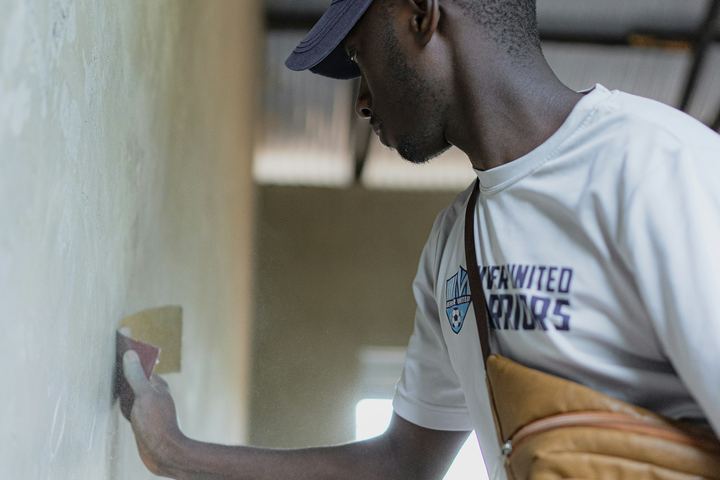
Walls tend to show cracks along board joints, small dents and years of filled holes from shelves and pictures. A full skim deals with all of it in one go. Where a wall has been chased for cables or a radiator has moved, we fill and bond the chases first so they do not shrink back under the finish. Dated coving can be taken down and replaced with a cleaner profile if you want one.
Planning a plastering job in Colton
Detached and semi-detached houses here usually have driveways, which makes unloading simple, and the rooms are a practical size to work in. We still protect floors, stairs and doorways properly, because most people are living in the house while we work. If several rooms are being done, we agree an order with you so the kitchen and at least one living space stay usable.
After a builder has finished an extension or knock-through, we can come in for the plastering stage, boarding and skimming new walls and ceilings and blending them into the old. The visit is free. We look at the rooms, ask what finish you are after and send a written quote, so you know exactly which walls and ceilings are included before you decide.
Services
Most asked-for in Colton
Skimming & reskimming
A thin, hard new face on walls and ceilings that are sound underneath but look tired, patched or lumpy.
See the service
Artex covering & removal
Swirls, stipples and peaks made flat again.
See the service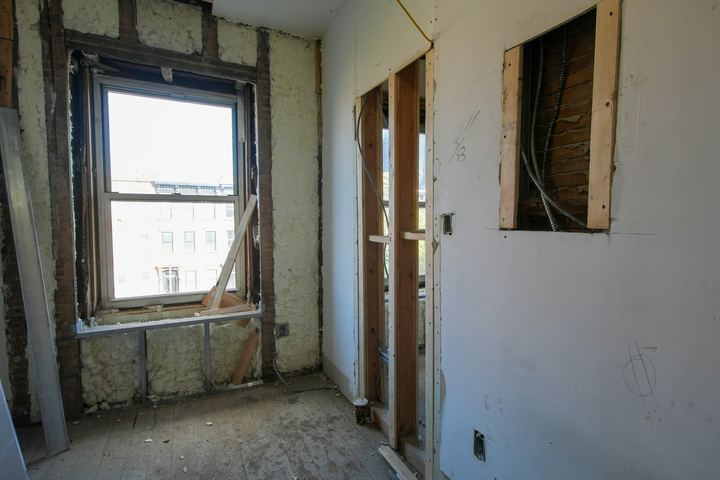
New builds & extensions
Board, skim and make good on extensions, loft conversions, garage conversions and full renovations, fitted around your builder and the other trades.
See the serviceAlso in Colton
Everything else we do
FAQs
Plastering in Colton: questions
Is it safe to cover the Artex ceilings in my Colton house?
Covering is the safe route, which is why we use it. A sample is tested first, as older textured coatings can contain asbestos. The ceiling is then sealed and skimmed, or overboarded and skimmed, so the original texture stays sealed underneath. We do not sand or scrape textured ceilings.
Can you plaster a Colton extension once the builder has finished?
Yes. Once the shell is watertight and first-fix electrics and plumbing are in, we board and skim the new walls and ceilings and make a neat join with the existing house. Let us know the builder's programme and we will plan the plastering to fit.
Why do cracks keep appearing along my ceiling joints?
Hairline lines along plasterboard joints are normal in houses of this age, caused by slight movement in timber joists and seasonal changes. A skim with the joints properly taped first usually settles them. Bigger or growing cracks are worth looking at more closely before replastering.
Do you fit new coving in Colton homes?
We do, either a plain modern profile or something more traditional if it suits the house. Old coving is removed carefully, the wall and ceiling edge is made good, and the new coving is fixed and filled so the joints do not show.