Clifford Plastering for Stone Cottages and Village Homes
Clifford's pale limestone cottages need plaster that works with the stone rather than against it. We repair and renew walls and ceilings in lime where it suits, and in modern materials where they belong.
Clifford · LS23
A limestone village with its own building habits
Clifford sits just west of Boston Spa, and its older houses are built from the pale local limestone that gives the village its look. Along the High Street, up the lane towards St Edward's and on the Boston Spa side, cottages have thick solid walls with no cavity. They were plastered in lime, which stays slightly soft and lets moisture move through the wall and evaporate.
Newer houses have been added around the edges over the decades, built in brick and block with gypsum and plasterboard inside. So a single street can contain both a two-hundred-year-old cottage and a modern family home, and each needs to be treated on its own terms rather than plastered in the same way.
Why hard plaster causes trouble in old stone
When old limestone walls are patched in cement or gypsum, moisture that used to escape through the plaster gets trapped. The result is often blown, salty or crumbling plaster low on the walls and around window reveals. Any real source of damp, such as a leaking gutter or raised ground outside, must be fixed first. We do not sell damp treatments, and a breathable finish only helps once water is no longer pouring in.
Where it is appropriate, we strip back failed hard patches and replaster in lime, building it up in coats and finishing it smooth or with a softer hand-finished look. Ceilings in these cottages are often lath, and we can repair them in lime too or, where they are beyond saving, renew them carefully.
Working on village cottages
Lime takes longer than gypsum because each coat needs time to cure, so we plan the job in stages and explain the timings before we start. Cottages often have low doorways, tight stairs and uneven floors, and we protect them carefully. If your home is listed or in a conservation area, check with the council before work that may need consent.
Every job begins with a free visit to look at the walls and how they have been treated in the past. We tell you honestly where lime is worth it and where a modern finish will do. A written quote follows, setting out materials, stages and what you can expect when the work is finished.
Services
Most asked-for in Clifford
Ceiling repairs & replacement
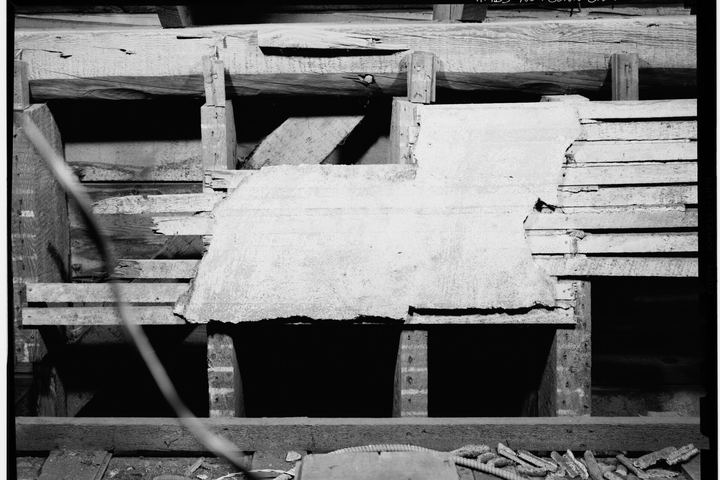
Cracked, sagging, stained or brought down by a leak.
See the service
Patch & crack repairs
Holes left by the electrician, cracks over doorframes, knocked corners and the patch where the old boiler used to be.
See the serviceLime plastering
Old solid walls need to breathe.
See the serviceAlso in Clifford
Everything else we do
Next door
Areas nearby
FAQs
Plastering in Clifford: questions
Why does plaster keep blowing on my Clifford cottage walls?
In Clifford's limestone cottages this is often caused by hard modern plaster trapping moisture in walls that were built to breathe. Any source of damp has to be sorted first. After that, replacing failed patches with lime usually gives a much more stable result.
How long does lime plastering take?
Longer than gypsum, because each coat must cure before the next goes on. A room is normally completed over several visits rather than one or two days. We explain the stages at the quote so you know how the work will be spread out.
Do you only use lime in Clifford?
No. Lime suits the old solid stone walls, but newer houses in Clifford are built in brick and block and are better plastered in gypsum or plasterboard. We recommend whichever material is right for the wall in front of us.
Can you match the softer look of old cottage walls?
Yes. Lime can be finished flat and smooth or with a gentler hand-finished surface that follows the line of the stone. We talk through the look you want at the free visit and include it in the written quote.