Beeston Hill Plasterers for Back-to-Backs and Terraces
Replastering, ceiling repairs and patching for the brick back-to-backs and through terraces of Beeston Hill, with small rooms and steep streets handled in an organised, tidy way.
Beeston Hill · LS11
Back-to-backs and terraces off Dewsbury Road
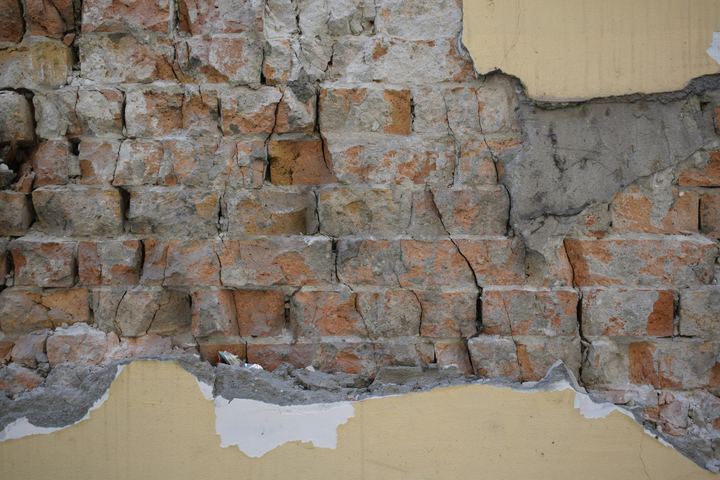
The streets climbing from Dewsbury Road towards Tempest Road and Lady Pit Lane are mostly late Victorian and Edwardian brick housing, with back-to-backs packed in among through terraces. Walls are solid brick, usually one or one and a half bricks thick, with no cavity. When these houses were built the inside faces were plastered in lime, and the ceilings were lime on timber laths nailed to the joists.
Over a century later, very few of these homes still have all their original plaster. Most have been patched with gypsum over the decades, some rooms have been boarded, and many ceilings were replaced in plasterboard at some point. The result is often a patchwork of materials in a single room, which is why we look closely at each wall before deciding whether to repair, skim or take it back to brick.
What tends to go wrong in Beeston Hill houses
Blown plaster is the most common call. Old lime loses its grip on the brick, and a wall that sounds hollow when tapped will eventually crack and bulge. Where the brickwork is dry and the area is limited, we cut back to sound edges and replaster. On walls that stay damp at the base, the cause needs fixing first, whether that is a high outside ground level, a leaking gutter or cement pointing trapping water. Damp treatments are not something we sell.
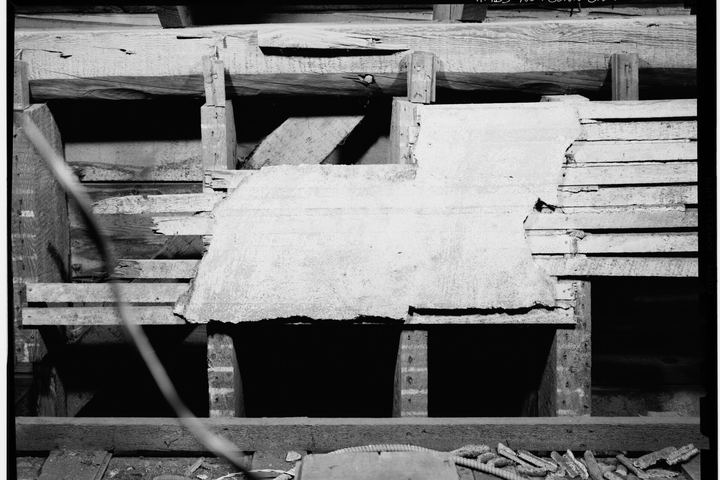
Lath and plaster ceilings show their age through long cracks, sagging between joists and sections that drop when someone works in the room above. Sound sections can be screwed back and skimmed. Badly failing ones are taken down and replaced with board and a skim finish. For solid walls that need breathing room, we can use lime plaster instead of gypsum, though not every room calls for it.
Plastering in compact rooms on steep streets
Back-to-backs here are small inside, often a single room per floor with a tight winding staircase. That shapes how we work. Furniture usually has to stay in the house, so we cover it and move it to one side, work one room at a time and keep the stairs clear. Materials are carried in by hand and mixing is done outside or on sheeting near the door.
On-street parking can be tight on the steeper roads, so we bring what the day needs rather than filling the street with gear. The first step is a visit where we tap the walls, check the ceilings and talk through what you want. You then get a written quote that splits the work room by room, so you can do the house in stages if that suits your budget.
Also in Beeston Hill
Everything else we do
Next door
Areas nearby
FAQs
Plastering in Beeston Hill: questions
Why does plaster keep blowing on my Beeston Hill terrace?
Old lime plaster eventually loses its bond with solid brick, especially where moisture has been getting in. Patching with hard gypsum can make the edges fail sooner. We find the extent of the hollow areas, deal with any obvious moisture source, then replaster with a material that suits the wall.
Can you work in a back-to-back without moving everything out?
Usually, yes. We work room by room, sheet and push furniture to one side, and keep the stairs clear for you. In a Beeston Hill back-to-back with one room per floor, we plan the order so you always have somewhere usable while the work goes on.
Should my lath and plaster ceiling be repaired or replaced?
It depends on how much is still keyed to the laths. If it is mostly firm with a few cracks, it can be secured and skimmed. If it is sagging, loose across large areas or has dropped in places, replacing it with plasterboard is the more sensible option.
Do you plaster cellar walls in Beeston Hill houses?
Cellars in Beeston Hill houses are often damp by design, being below ground with solid walls. We can plaster them where the walls are reasonably dry, but anything persistently wet needs the water issue tackled first by the right specialist. Plaster alone will not keep a cellar dry.