Adwalton Plasterer for Walls and Ceilings
Plastering for homes around Adwalton Moor and along the A650, from a single cracked ceiling to a full reskim of a semi. Interior work done tidily, with a clear written quote first.
Adwalton · BD11
Houses on and around Adwalton Moor
Adwalton sits high on open ground between Drighlington and Birstall, and the housing reflects a long, piecemeal history. A few older stone houses survive near the moor itself, but most homes are inter-war and post-war semis and short terraces, with later infill along the A650. Each period was plastered differently, so the first job on any visit is working out what is actually on your walls.
Older stone properties usually have solid walls finished in lime or early gypsum mixes, often patched many times over. The inter-war semis tend to have a sand and cement or browning undercoat under a thin gypsum finish, with lath or early plasterboard ceilings. Post-war houses lean towards plasterboard ceilings and harder backing coats. Knowing which you have decides whether we skim, replaster or repair.
What exposed moor-top weather does to inside plaster
Being on a high, open site means wind-driven rain hits gable ends harder than in sheltered valleys. Where water gets in through cracked pointing, failed render or a leaking gutter, the inside plaster on that wall is often the first to show it, with blown patches, salt marks and flaking paint. We will point out the likely cause, but the leak or damp source has to be sorted before any new plaster goes on.
Once the wall is dry and sound, the fix depends on how much has failed. Small blown areas can be cut back and patched to match. Where the backing has crumbled across most of a wall, hacking off and replastering is the honest answer. Ceilings in the semis are a separate story, usually hairline cracks along board joints or tired textured coatings that suit a fresh skim.
Booking plastering work in Adwalton
Most homes here are semis or short rows with front gardens or driveways, so getting materials in is rarely difficult. We sheet floors and stairs, mask doors and keep dust contained to the rooms we are working in. If furniture needs moving or a carpet lifting, we will say so at the visit so nothing is a surprise on the day.
The visit itself is free. We look at the walls and ceilings, tap for hollow spots, check for damp and talk through the options, including the cheaper ones where they make sense. You then get a written quote setting out exactly what is included, so you can compare it fairly. We cover Adwalton alongside Drighlington, Birkenshaw and the surrounding BD11 and Morley-side streets.
Services
Most asked-for in Adwalton
Skimming & reskimming
A thin, hard new face on walls and ceilings that are sound underneath but look tired, patched or lumpy.
See the service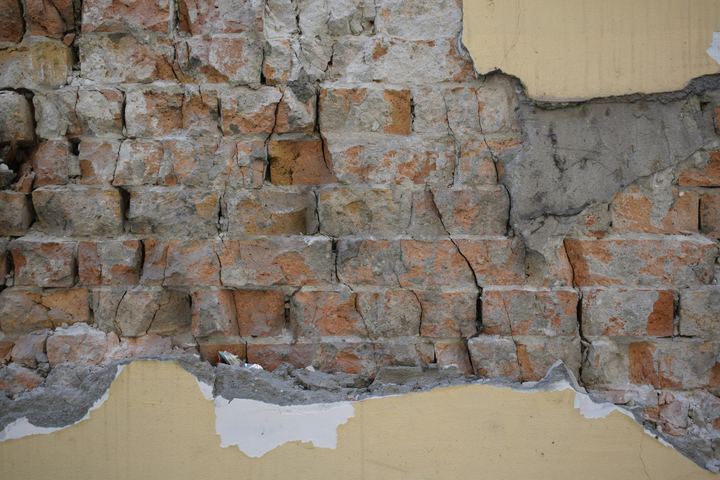
Full replastering
When the old plaster has let go of the wall, a skim will not hold it.
See the service
Patch & crack repairs
Holes left by the electrician, cracks over doorframes, knocked corners and the patch where the old boiler used to be.
See the serviceAlso in Adwalton
Everything else we do
Next door
Areas nearby
FAQs
Plastering in Adwalton: questions
Why does the plaster on my Adwalton gable wall keep blowing?
Exposed gable walls on the moor take the brunt of wind-driven rain. If water is getting through pointing, render or a gutter, the plaster behind will keep failing. The source needs fixing first. Once the wall has dried out, we cut back the loose areas and replaster or patch them.
Can you skim over an old textured ceiling in a post-war semi?
Usually, yes. Older textured coatings are sample-tested before anything is disturbed, because some contain asbestos. The normal approach is to seal the surface and skim straight over it, or overboard with new plasterboard if the ceiling is uneven or cracked. Sanding or scraping it is never part of the plan.
Do you cover Adwalton as well as Drighlington and Birkenshaw?
Yes. Adwalton is part of our regular BD11 patch along with Drighlington and the streets off the A650. The visit and written quote are free wherever you are in that area.
Is it better to patch or replaster a whole wall?
It depends how much of the wall has lost its key. If a tap test shows only a few hollow areas, patching is sensible and cheaper. If most of it sounds drummy or is crumbling behind, patching just moves the problem around, and a full replaster gives a lasting result.